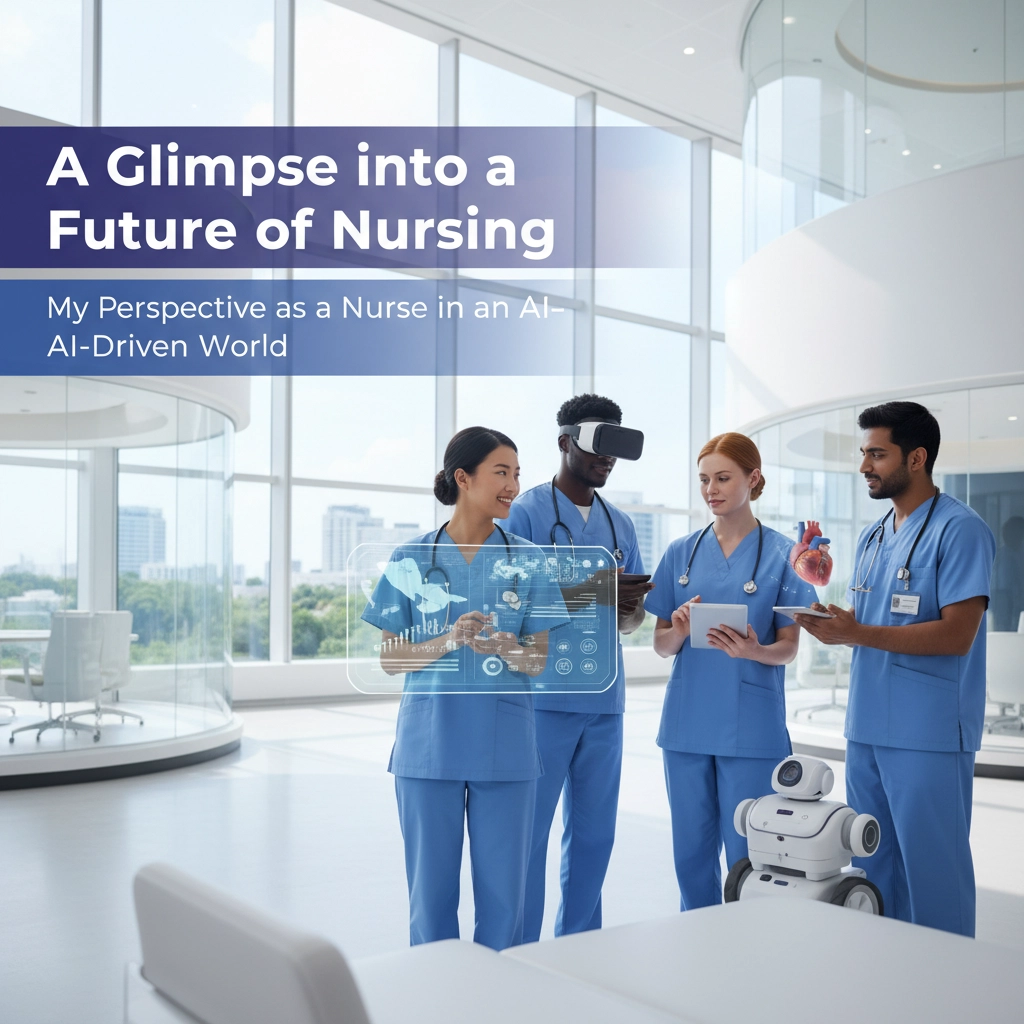
As someone who's spent years at the bedside, watching technology slowly creep into our daily routines, I feel compelled to share my perspective on where nursing is heading. Many of my colleagues might disagree with what I'm about to say, but after witnessing the rapid advancement of artificial intelligence in healthcare, I believe we need to have an honest conversation about our profession's future.
While the human touch in nursing is undeniably powerful, I've come to realize that no profession: including ours: is completely immune to AI disruption. The pace of technological change we're witnessing today is unlike anything we've seen before, and it's time we face the reality of what's coming.
The Unstoppable March of AI in Healthcare
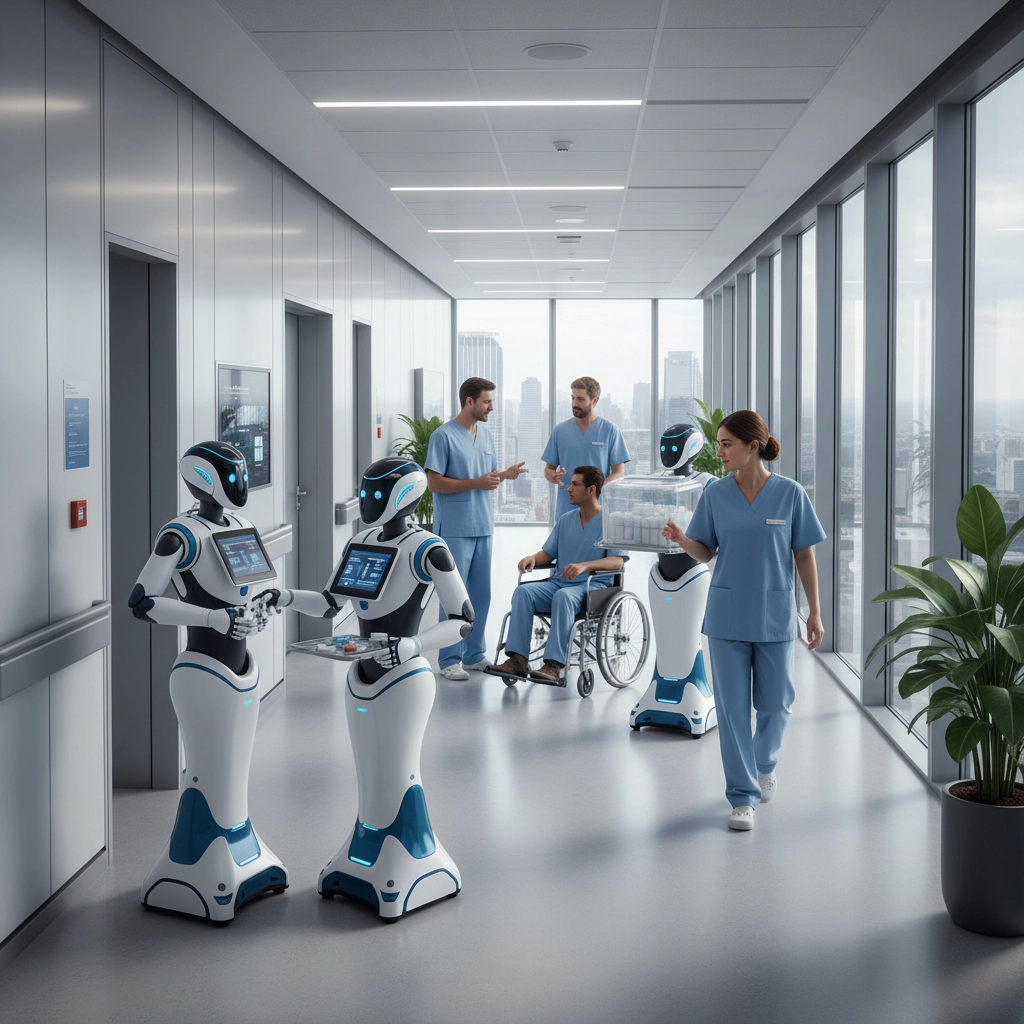
AI is advancing at a pace that's frankly staggering. Robotics, automation, and intelligent clinical systems are already performing tasks that we once believed were "uniquely human." In hospitals across Australia and globally, I'm seeing technologies that would have seemed like science fiction just a decade ago.
The question isn't whether AI will impact nursing: it's already here. The real question is: how dramatically will it reshape our roles, and are we prepared for what's coming?
Six Ways AI Could Replace Nursing Functions
Let me walk you through the areas where I see the most significant disruption potential:
1. Automation of Routine Tasks
The reality is sobering: medication dispensing, vital sign monitoring, wound assessment, documentation, scheduling, and even mobility assistance are already being handled by robots in some hospitals. I have read about automated systems that can dispense medications with greater accuracy than human nurses, robots that monitor patients continuously without fatigue, and AI systems that can document patient interactions in real-time.
These routine tasks make up a significant portion of what we do every day. When machines can handle them more efficiently and with fewer errors, healthcare administrators will inevitably ask: why not automate?
2. AI Outperforms Humans in Critical Decisions
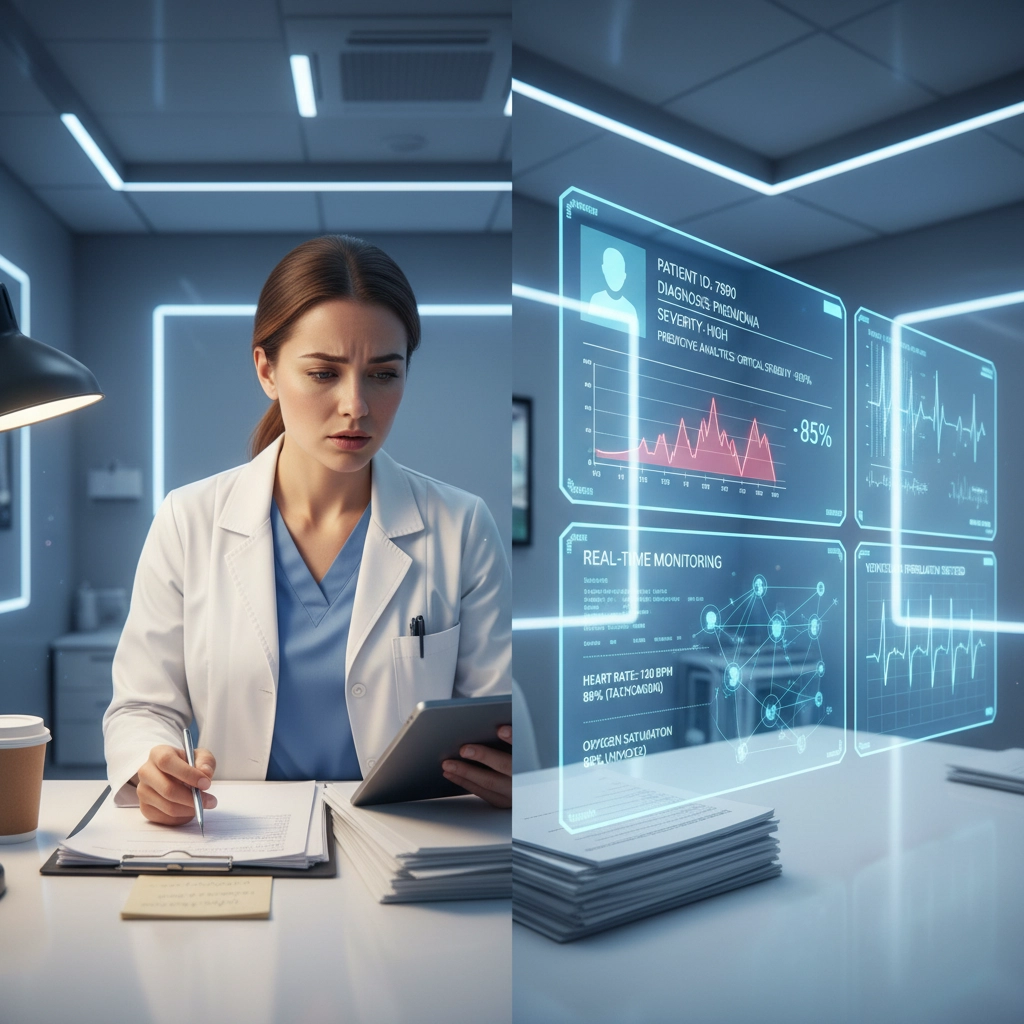
This one hits hard, but the data doesn't lie. AI can detect early patient deterioration, interpret medical scans, predict sepsis hours before symptoms appear, and recommend interventions with fewer errors than human nurses. When hospitals are under pressure to prioritize safety, speed, and precision, they'll choose the option that delivers better outcomes.
I've witnessed AI systems catch subtle changes in patient conditions that experienced nurses missed. It's humbling, but it's also the reality we're facing.
3. Robots Don't Experience Burnout
One of our profession's biggest challenges is fatigue and burnout: ironically, exactly what the healthcare system desperately wants to avoid. AI systems don't get tired, overwhelmed, or emotional. They don't call in sick, need shift penalties, or require mental health support.
For healthcare systems operating under constant pressure, this reliability is incredibly appealing. A robot can work 24/7 without complaint, without breaks, and without the human complexities that sometimes interfere with patient care.
4. The Cost Factor We Can't Ignore
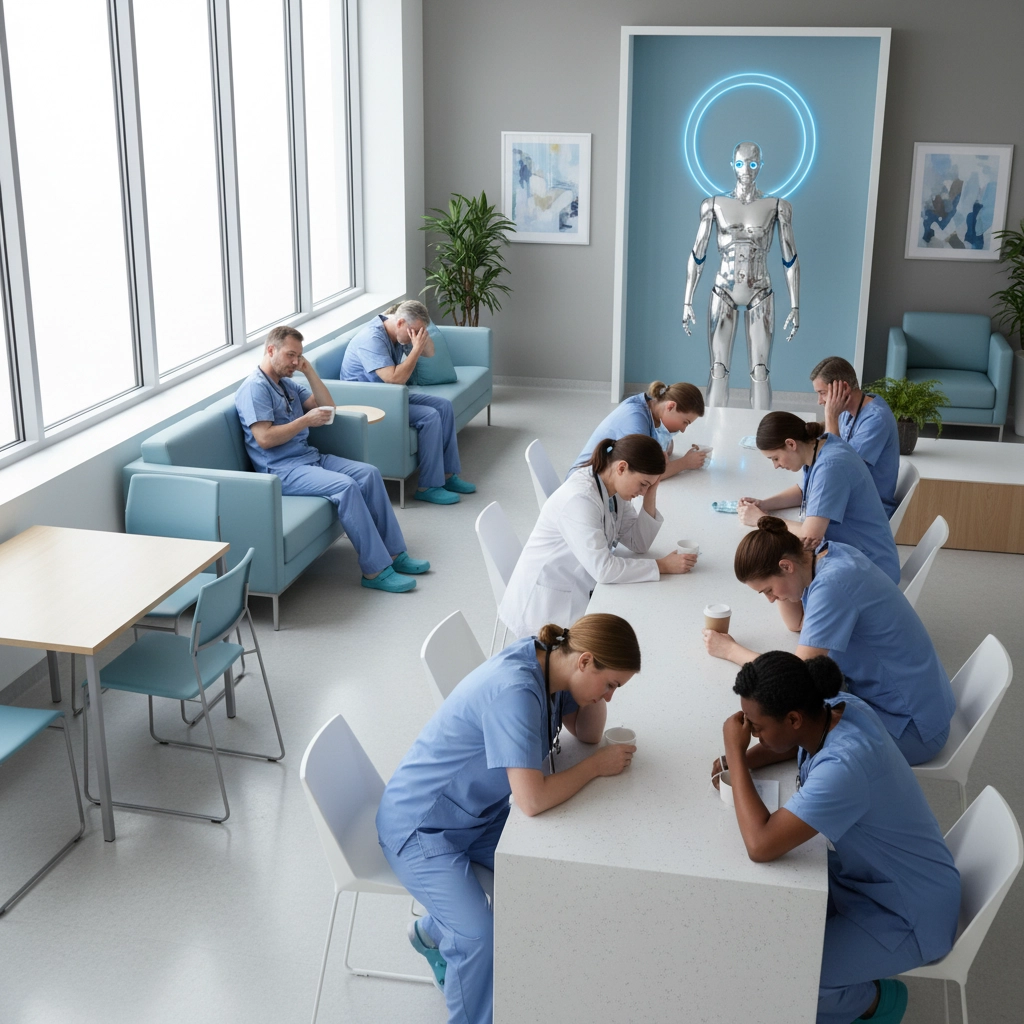
Let's be brutally honest: a fully autonomous care system costs less in the long term than human labor. No training costs, no sick leave, no shift penalties, no turnover expenses. Health systems under financial pressure will always gravitate toward scalable, predictable systems.
The harsh reality is that while we talk about the importance of human touch, administrators are looking at spreadsheets. And those spreadsheets often favor automation.
5. Emotional Intelligence Can Be Simulated
This might be the most controversial point, but I've seen research that suggests AI companions can detect tone, facial expressions, and emotional cues, responding in surprisingly comforting and personalized ways. In fact, some studies show that mental health patients actually preferred robots to humans: they found them more consistently compassionate, better listeners, and more reliable in addressing their concerns.
It's not human, but for some patients, it's actually more effective, especially those who prefer privacy and consistency over human interaction.
6. Generational Preferences Are Shifting
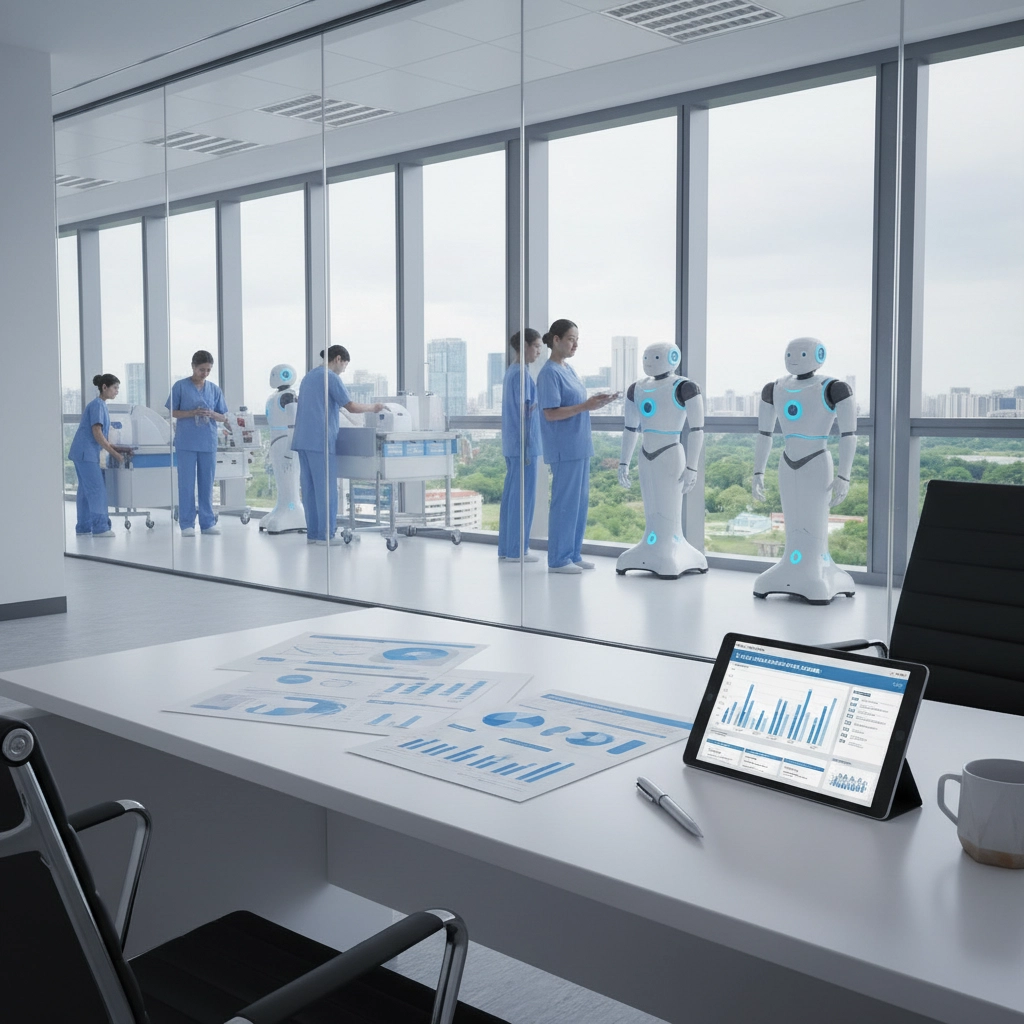
The younger patients entering our healthcare system are digital natives. They're more comfortable receiving care, support, and monitoring from AI-driven systems than from people. This generation doesn't see technology as cold or impersonal: they see it as efficient, accessible, and often preferable.
As this demographic becomes the majority of our patient population, their preferences will drive healthcare delivery models. And they're asking for more tech, not less.
A More Realistic View of Our Future
Before you think I'm completely pessimistic about our profession's future, let me clarify: AI may not replace all nurses, but it will undoubtedly replace many of our current tasks, roles, and even entire categories of nursing positions.
However, this doesn't mean nursing is doomed. It means we're at a crossroads.
The nurses who will thrive in this AI-powered world are those who adapt, learn technology, and evolve alongside these systems. We need to become partners with AI rather than competitors against it. Those who resist change or refuse to engage with new technologies risk being left behind: and I say this with genuine concern for my colleagues who might struggle with this transition.
Future-Proofing Your Nursing Career
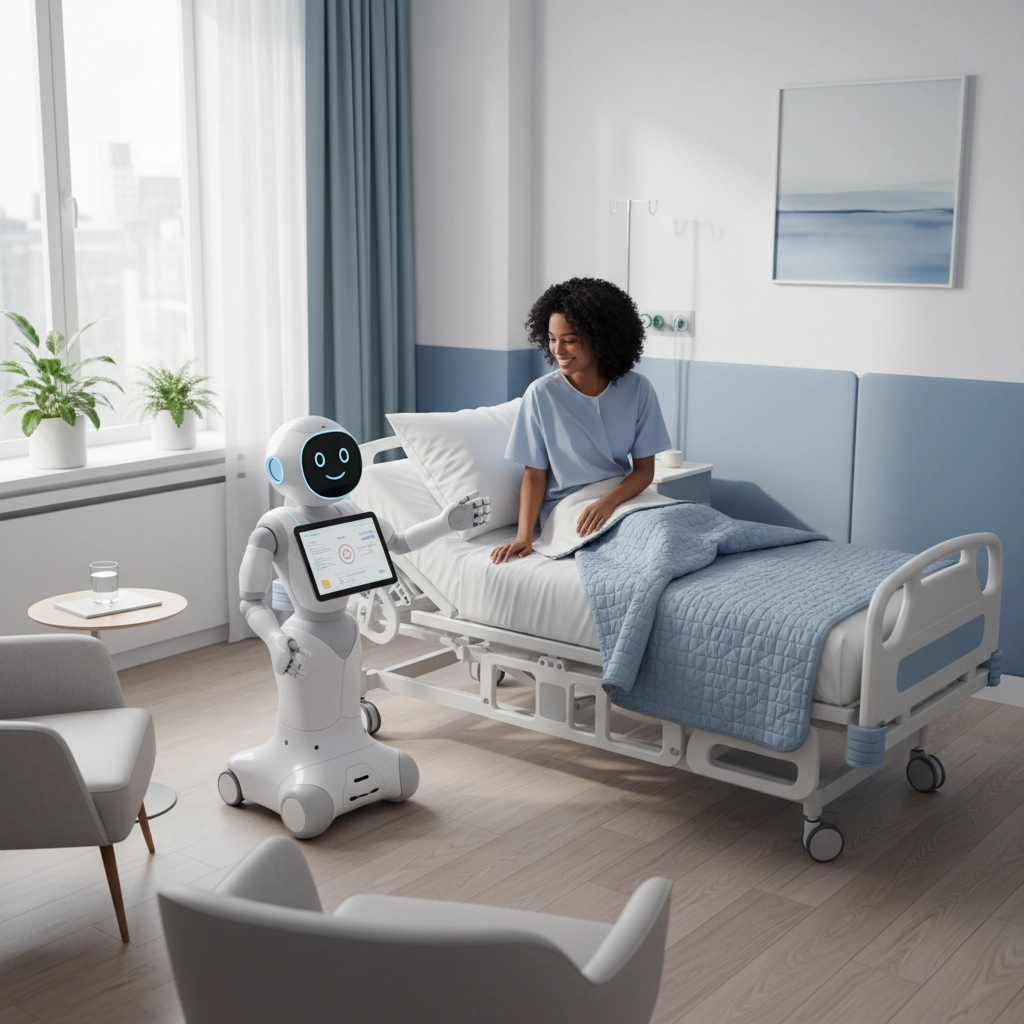
So, what skills should we be developing now to stay relevant? Based on what I'm seeing in the field, here are the areas where human nurses will remain essential:
Complex Clinical Reasoning: While AI can process data, human nurses excel at synthesizing complex, ambiguous situations that don't fit neat algorithms.
Emotional Intelligence and Advocacy: True patient advocacy: understanding family dynamics, cultural nuances, and emotional needs: remains uniquely human.
Technology Partnership: Learning to work alongside AI systems, interpreting their outputs, and knowing when to override their recommendations.
Leadership and Change Management: Guiding healthcare teams through technological transitions and ensuring patient-centered care remains the priority.
Specialized Clinical Expertise: Developing deep expertise in areas where human judgment and experience are irreplaceable.
The future of nursing isn't about being irreplaceable: it's about being smart, staying relevant, and becoming unavoidable in an AI-powered healthcare system.
The Path Forward
As confronting as this perspective might be, I believe acknowledging these realities positions us better for the future than pretending they don't exist. We have an opportunity to shape how AI integrates into healthcare rather than having changes imposed upon us.
The healthcare sector is evolving rapidly, and nursing professionals who want to stay competitive need to embrace continuous learning and technological adaptation. For those considering career advancement or exploring new opportunities in this changing landscape, partnering with specialists who understand both current market demands and future trends can be invaluable.
Our profession's future depends on our willingness to evolve, learn, and lead in this transformation. The question isn't whether change is coming: it's whether we'll be active participants in shaping it or passive recipients of decisions made without us.
What do you think? Are you ready to future-proof your nursing career, or are you still hoping this technological revolution will somehow pass us by?